


Severe allergic reactions rise in children in England over past five years
The number of children being
admitted to hospital in England with a severe allergic reaction has
risen every year for the past five years.
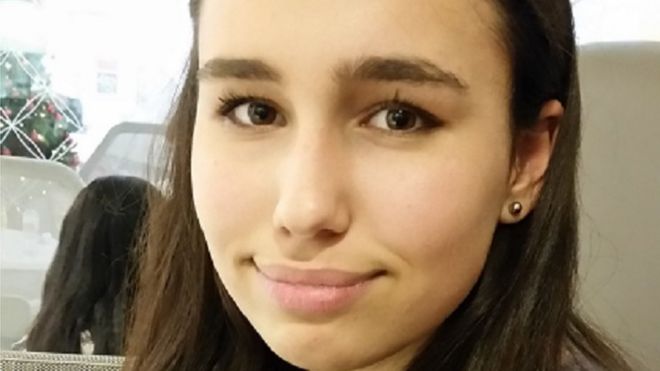
NHS figures show 1,746 children were treated for anaphylactic shock in 2018-19, up from 1,015 in 2013-14. The parents of Natasha Ednan-Laperouse, who died in 2016 after eating a baguette containing sesame, called the increase "deeply alarming".
Scientists say environmental factors could be to blame for more allergies.
Children under 10 were most likely to be affected by anaphylaxis, with 1,018 admitted to hospital last year - compared with 601 in 2013-14.
- Why the world is becoming more allergic
- Teens treated for allergies up 65% in five years
- Family demand law change after Byron burger death
- Boy's cheese allergy death 'unprecedented'
Anaphylaxis is a severe allergic reaction which can be life-threatening.
Even the tiniest exposure to one of these allergens can be enough to set off an anaphylactic reaction and bring on breathing difficulties, rapid heartbeat and loss of consciousness.
Instead, scientists believe factors such as dietary changes, exposure to microbes and pollution may play a role in the rise - particularly for Western lifestyles.
An allergy expert has previously suggested that teenagers taking risks when managing their food allergies was likely to be a factor in the increase in severe allergic reactions in that age group.
'Allergy emergency'
Natasha's mother, Tanya Ednan-Laperouse, said: "These terrifying figures show we are facing an allergy emergency."The number of children with allergies and suffering severe allergic reactions is rising year-on-year at a deeply alarming rate."
Hasan Arshad, professor of allergy and clinical immunology at the University of Southampton, said the figures confirmed "a worrying increase in severe food allergy".
"We should not forget that behind each of these numbers is a child or adult who has suffered the most severe consequences of an anaphylactic shock," he said.
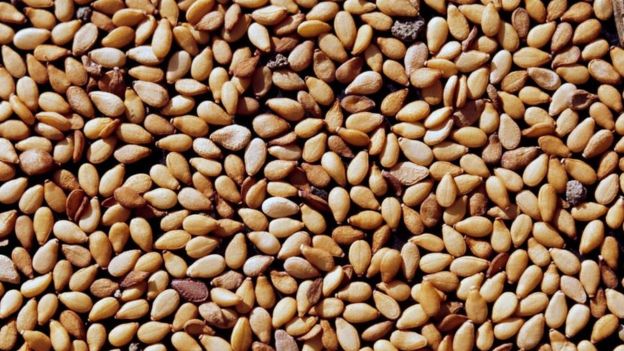
She was allergic to sesame seed but this was not listed on the product label.
Despite her father, Nadim, administering two EpiPen injections, Natasha died in a hospital within hours.
Natasha's parents have campaigned for a change in the law to require producers of pre-packed foods to list all their ingredients. This law will come into force in 2021.
Up until now, takeaways and restaurants have had to let customers know only if any of the 14 most dangerous allergens - including peanuts, eggs and milk - are contained in their dishes.
Natasha's parents have also set up the Natasha Allergy Research Foundation, with the ultimate aim of finding a cure for allergies.
No comments